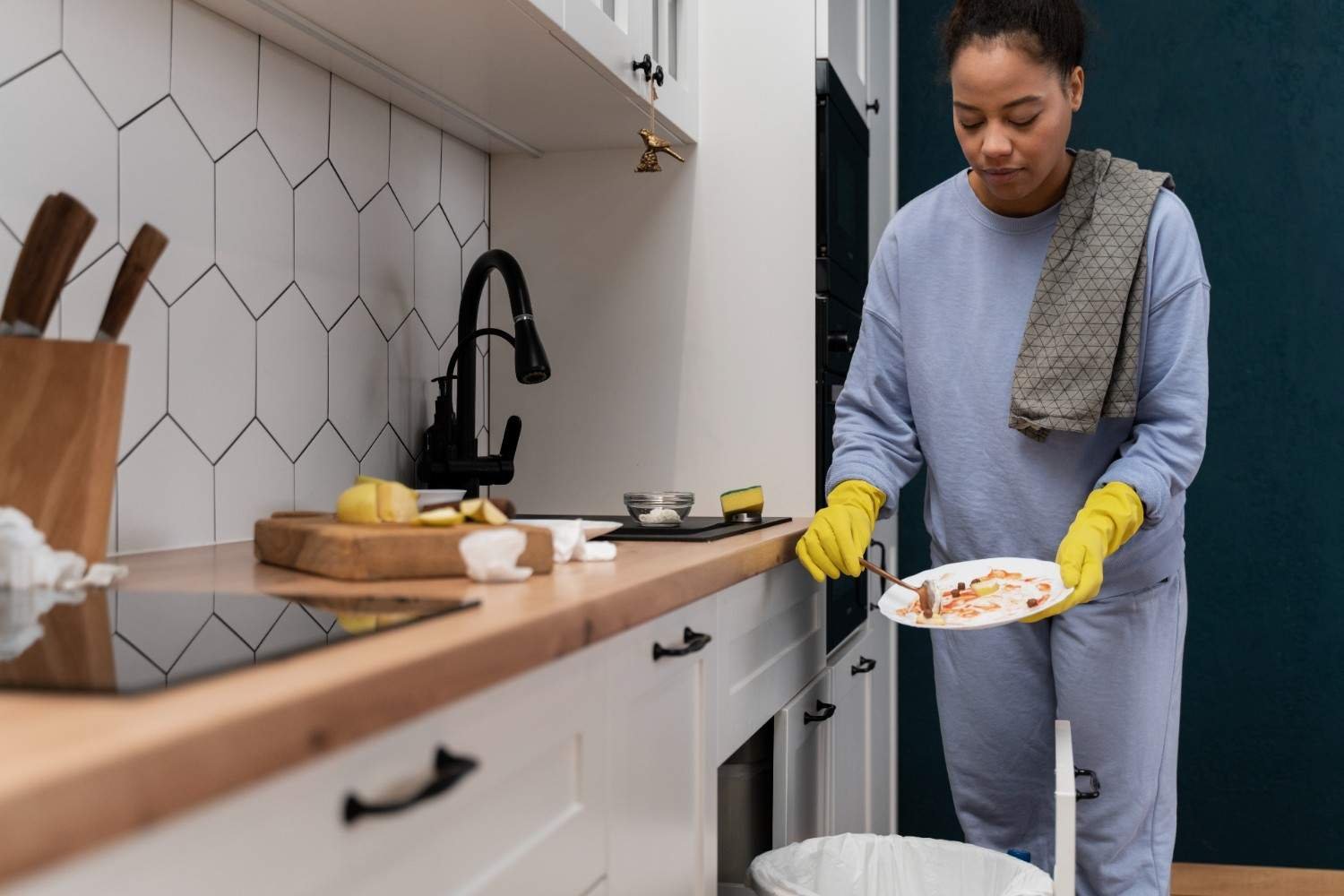
Residential facility housekeeping jobs in the United States have become one of the most accessible and reliable opportunities for international workers seeking employment with visa sponsorship. These roles provide stable income, long-term career paths, and the chance to work in environments that truly value cleanliness, comfort, and quality care for residents. Whether in senior living centers, rehabilitation homes, group homes, assisted living communities, or private residential facilities, housekeeping staff play a crucial role in maintaining safe, sanitary, and welcoming spaces for people who depend on daily support.
The United States faces an ongoing shortage of housekeeping workers in residential facilities due to an aging population, increased demand for long-term care services, and a workforce that has shifted away from physically demanding jobs. This shortage has encouraged more employers to consider international applicants and offer visa sponsorship to fill essential positions.
This article provides a complete, human-friendly breakdown of residential facility housekeeping jobs in the USA, including job duties, skills, salary expectations, visa options, work environments, and how to secure sponsorship. It is written with a natural, conversational tone while remaining deeply informative, SEO-optimized, and high in value for readers.
Why Residential Facility Housekeeping Roles Are in High Demand in the USA
Across the United States, residential care facilities rely heavily on housekeeping staff to maintain hygienic living conditions. These facilities include nursing homes, assisted living communities, rehabilitation centers, adult group homes, and specialized care facilities for individuals with disabilities or chronic medical needs. The demand for housekeeping staff has increased for many reasons:
1. A rapidly aging population
The number of adults aged 65 and older is growing faster than any other demographic in the U.S. This creates higher demand for:
- Assisted living centers
- Nursing homes
- Long-term care homes
- Retirement communities
More residents mean more rooms to clean, more linens to manage, and higher sanitation standards.
2. Increased focus on hygiene and infection control
Since the pandemic, residential facilities have greatly expanded their cleaning protocols. Housekeepers are now responsible for:
- Disinfecting high-touch surfaces
- Following strict sanitation guidelines
- Maintaining deep-cleaning schedules
- Helping prevent illness spread
This has increased staffing needs significantly.
3. Workforce shortages
Many U.S. citizens prefer office-based or remote jobs, leaving essential roles like housekeeping understaffed. Residential facilities are actively looking for reliable international workers who are motivated and willing to grow in the industry.
4. Expansion of long-term care facilities
As demand for long-term care increases, facilities continue to expand, renovate, and build new buildings—creating more housekeeping positions.
5. Employers actively open to sponsorship
Many residential facilities now hire staff through programs that allow them to sponsor international workers under specific U.S. visa categories, especially in areas facing severe staffing shortages.
What Residential Facility Housekeepers Do: Understanding the Role
The role of a Residential Facility Housekeeper is more than just cleaning. It involves supporting the daily operations of the care environment, ensuring residents live in a healthy, comfortable, and dignified setting.
Here’s a detailed look at the responsibilities expected from housekeeping staff in residential facilities:
1. Cleaning and disinfecting resident rooms
This includes:
- Making beds
- Dusting furniture
- Vacuuming carpets
- Mopping floors
- Cleaning bathrooms
- Removing trash
- Replenishing toiletries
Housekeepers ensure each resident’s space feels tidy and comfortable.
2. Maintaining communal areas
Facilities have shared spaces such as:
- Lounges
- Dining areas
- Hallways
- Activity rooms
- Kitchens
- Reception areas
These areas must remain spotless because they influence overall facility safety and visitor impressions.
3. Laundry support
Laundry is a major part of housekeeping work in residential settings. Tasks include:
- Washing bedding
- Cleaning towels
- Folding linens
- Organizing laundry rooms
- Keeping residents’ clothing clean when required
4. Infection control responsibilities
This has become especially important. Housekeepers may:
- Use approved disinfectants
- Follow PPE guidelines
- Maintain sanitation schedules
- Clean isolation rooms
- Reduce germ spread
5. Supporting staff and residents
In many facilities, housekeepers also assist with:
- Delivering supplies
- Transporting linens
- Restocking rooms
- Reporting maintenance issues
- Ensuring residents feel comfortable and respected
Housekeepers are a crucial part of the care team, helping maintain a home-like environment for residents who may have daily living challenges.
6. Maintaining cleaning equipment
This includes:
- Properly handling cleaning chemicals
- Using vacuum cleaners and floor polishers
- Checking equipment for safety issues
- Reporting broken items
7. Promoting a positive environment
Beyond physical cleaning, housekeepers help create a warm, peaceful, and comforting atmosphere for residents and their families.
Where Residential Facility Housekeepers Work in the USA
There are many types of residential facilities hiring housekeeping staff. Here are the most common environments:
1. Nursing Homes / Skilled Nursing Facilities
These facilities provide medical and daily living support to seniors and individuals with chronic illnesses. Housekeeping standards are high due to constant care needs.
2. Assisted Living Communities
Residents here are more independent, but facilities still require strict cleaning routines to ensure comfort and safety.
3. Rehabilitation Centers
These centers help people recovering from injuries, surgeries, or long-term illnesses. Cleanliness is crucial for healing.
4. Group Homes for Adults with Disabilities
These small residential settings require compassionate housekeepers who help maintain a stable, supportive environment.
5. Memory Care Homes
Specialized facilities for individuals with Alzheimer’s or dementia must remain organized and hygienic to support residents’ unique needs.
6. Residential Treatment Homes
These homes support individuals coping with addiction, trauma, or mental health challenges. A clean environment helps residents feel safe and stable.
7. Retirement Communities
Large retirement complexes hire permanent housekeeping staff for apartments, villas, rooms, and community spaces.
8. Private Residential Facilities
Some privately owned care homes hire one or two housekeepers to maintain smaller living spaces.
Skills Needed for Residential Facility Housekeeping Jobs
These roles require a mix of physical ability, attention to detail, compassion, and consistency.
1. Attention to detail
Small oversights in cleaning can lead to safety issues, so precision is essential.
2. Physical stamina
Housekeepers often stand for long hours, carry supplies, and perform repetitive tasks.
3. Time management
They must complete daily cleaning tasks while supporting unplanned needs.
4. Ability to follow instructions
Residential facilities follow strict cleaning protocols, especially for infection control.
5. Good communication
Housekeepers often interact with nurses, residents, managers, and family members.
6. Compassion and patience
Residents may be elderly, ill, or experiencing medical challenges. A kind attitude is important.
7. Understanding safety procedures
This includes chemical handling, PPE use, and emergency protocols.
8. Teamwork
Housekeepers work closely with laundry staff, nursing teams, and maintenance crews.
9. Reliability
Dependability is one of the most valued traits in the industry.
Education and Experience Required
The job requirements are very accessible, making it ideal for newcomers or international workers.
Basic requirements include:
- High school diploma or equivalent
- Ability to read and follow instructions
- Basic understanding of cleaning procedures
- Physical ability to lift 20–40 pounds
- Good interpersonal skills
Preferred qualifications include:
- Experience in cleaning, housekeeping, or hospitality
- Experience working in health or care settings
- Knowledge of cleaning chemicals and equipment
- CPR or basic first-aid training
Many facilities provide full training, so previous experience is helpful but not mandatory.
Salary Expectations for Residential Facility Housekeepers in the USA
Salary varies depending on location, facility size, shift type, and experience.
Here’s an approximate breakdown:
Entry-level workers:
$13 to $17 per hour
Experienced housekeepers:
$17 to $22 per hour
Specialized residential facilities (memory care, rehab centers):
$22 to $25 per hour
Shift differentials (evening/night shifts):
An additional $1 to $3 per hour
Annual salary estimates:
Between $28,000 and $48,000 per year
Some facilities also offer:
- Health insurance
- Free meals
- Paid leave
- Overtime pay
- Retirement contributions
- Employee housing (in some rural areas)
These benefits make housekeeping roles more financially rewarding than many people expect.
Visa Sponsorship Options for Residential Facility Housekeeping Jobs in the USA
International workers who want to relocate to the United States for housekeeping roles generally rely on employer-sponsored visas. Residential care facilities that struggle to hire local workers often apply for visa programs that allow them to bring foreign workers.
Here are the most common visa pathways:
1. H-2B Visa (Temporary Non-Agricultural Worker Program)
This is the most common visa for housekeeping roles because:
- It covers non-agricultural, seasonal, or peak-load labor
- Many residential care facilities qualify for seasonal staffing shortages
- Employers can petition for foreign workers when there are not enough local applicants
Housekeeping job offers under H-2B often last 6–10 months with the possibility of repeat contracts.
2. J-1 Visa (Hospitality and Care-Based Programs)
Some cultural exchange programs place participants in:
- Assisted living homes
- Residential care facilities
- Non-medical support roles
These programs allow individuals to gain experience for 12–24 months.
3. EB-3 Visa (Unskilled Worker Green Card)
This is a permanent residency pathway for international workers.
Residential care facilities facing chronic staffing shortages may sponsor workers under the EB-3 category for unskilled labor.
This is the best pathway for long-term relocation because it offers:
- Permanent residency
- Employer sponsorship
- Work authorization
- Long-term employment stability
4. TN Visa (for Canadian and Mexican citizens)
Housekeeping is not a TN-specific job, but some support positions in residential facilities can qualify under certain administrative or support categories.
5. Employer-Sponsored Work Visas Through Care Networks
Large residential networks sometimes sponsor workers through internal staffing programs, especially when:
- Facilities are in rural areas
- Turnover rates are high
- Local labor supply is low
How to Secure a Housekeeping Job in a Residential Facility with Sponsorship
Here’s a complete step-by-step guide for international applicants:
Step 1: Prepare a strong resume
Highlight:
- Cleaning or hospitality experience
- Any experience in care settings
- Knowledge of disinfecting methods
- Ability to work full-time
- Reliability and punctuality
Step 2: Write a compelling cover letter
Focus on:
- Your interest in the role
- Your ability to follow instructions
- Your experience helping others
- Your willingness to relocate
- Your strong work ethic
Step 3: Apply to facilities that hire international workers
These include:
- Nursing homes
- Rehabilitation centers
- Assisted living communities
- Adult group homes
- Long-term care networks
Step 4: Pass the interview
Interview questions may include:
- “Describe your cleaning experience.”
- “How do you handle stressful situations?”
- “Why do you want to work in a care environment?”
- “How do you handle confidential information?”
Answer clearly and with empathy.
Step 5: Ask about sponsorship
Once an employer expresses interest, politely confirm whether they:
- Offer visa sponsorship
- Have used the H-2B or EB-3 visa before
- Provide relocation assistance
Step 6: Complete medical and background checks
All residential facilities require:
- Vaccination records
- Medical clearance
- Police background checks
Step 7: Sign the contract and begin visa processing
Employers usually handle most of the paperwork.
Career Progression Opportunities in Residential Facilities
Housekeeping can lead to many career opportunities. With commitment and additional training, workers can grow into:
- Housekeeping Supervisor
- Environmental Services Manager
- Laundry Supervisor
- Resident Care Aide (with training)
- Activities Assistant
- Front Desk Coordinator
- Facility Support Specialist
- Maintenance Technician
- Administrative Assistant
Some workers later transition into nursing, caregiving, or facility management.
Challenges in Residential Housekeeping Work
While rewarding, the job can be challenging:
1. Physically demanding work
Cleaning large facilities requires stamina.
2. Strict protocols
Housekeepers must follow infection control measures exactly.
3. Emotional environment
Residents may be elderly, ill, or dealing with memory challenges.
4. Fast pace
There’s often pressure to complete many tasks daily.
5. Shift work
Some facilities require night, weekend, or holiday shifts.
Despite these challenges, many workers find the job meaningful, stable, and financially supportive.
Why Many International Workers Choose This Career
Residential facility housekeeping is popular because it offers:
- Easy entry requirements
- Stable employment
- High demand
- Visa sponsorship pathways
- Opportunity for long-term residency
- A supportive and friendly work environment
- Growth into care-related roles
- Respect and appreciation from residents
Many workers describe housekeeping in residential facilities as fulfilling because they can brighten someone’s day through their work.
Future Outlook for Residential Facility Housekeeping Jobs
The future is extremely positive due to:
- Continued aging population growth
- Increased construction of long-term care homes
- Need for expanded cleaning teams
- Higher hygiene standards post-pandemic
- Labor shortages across many states
- Rising number of residential treatment and rehabilitation facilities
This means international applicants can expect stable demand for years to come.
Conclusion
Residential Facility Housekeeping Jobs in the USA with Visa Sponsorship provide a realistic, accessible, and meaningful path for international job seekers. With strong demand, supportive work environments, and pathways for both temporary and permanent residency, these roles offer an opportunity to build a better future while helping maintain clean, safe, and comfortable homes for residents who depend on daily care.
Whether you are looking for entry-level work, hoping to relocate to the United States, or aiming to start a long-term career in the care sector, residential housekeeping jobs offer stability, growth, and a clear immigration pathway.