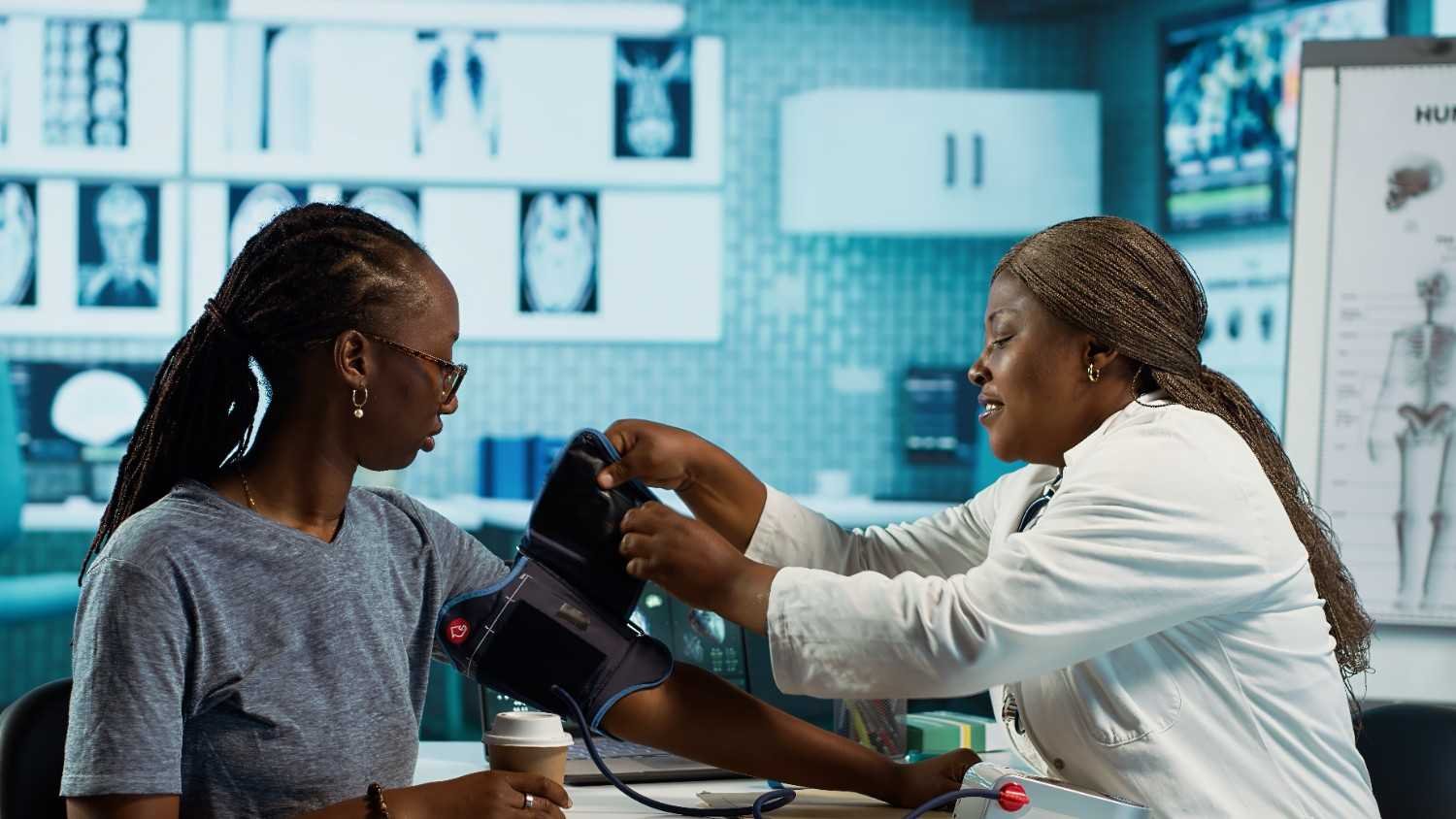
The global healthcare sector has undergone rapid transformation, with greater emphasis placed on early diagnosis, preventive care, community health programs, and screening services. As the demand for preventive health assessments increases across hospitals, clinics, public health initiatives, mobile testing units, occupational health programs, and private healthcare organizations, Health Screening Assistant positions have become essential and highly valued roles.
Health Screening Assistants—also known as Screening Technicians, Health Assessment Assistants, Medical Screening Officers, Wellness Screening Coordinators, Community Health Screening Aides, and Patient Screening Support Staff—play a critical role in supporting medical teams, conducting basic screening tests, gathering health data, assisting patients, maintaining equipment, and ensuring smooth flow in health assessment environments.
Because many countries—including the UK, USA, Canada, Australia, Ireland, and parts of Europe—are experiencing staffing shortages in frontline and preventive healthcare roles, international applicants are increasingly being offered visa opportunities for positions such as Health Screening Assistants.
This extensive, human-friendly, SEO-optimized article explores everything you need to know about Health Screening Assistant roles, from job responsibilities and required skills, to industry demand, visa pathways, salary expectations, career progression, and employer expectations.
Understanding the Role of a Health Screening Assistant
A Health Screening Assistant works in healthcare settings to conduct basic health assessments and support clinical staff. These roles are vital in early disease detection, patient triage, community wellness programs, vaccination drives, occupational health evaluations, and routine health monitoring.
Health Screening Assistants typically work in:
- hospitals
- clinics
- diagnostic centres
- public health departments
- elderly care facilities
- occupational health programs
- mobile screening vans
- wellness centres
- corporate health check initiatives
- community outreach programs
They ensure patients receive proper initial assessments before seeing nurses or doctors. Screening assistants help maintain an organized, safe, and efficient environment where health evaluations can take place smoothly and professionally.
Why Health Screening Assistants Are in High Demand
Several major factors contribute to growing demand worldwide:
1. Emphasis on Preventive Healthcare
Governments and private healthcare providers are focusing on early detection to reduce long-term treatment costs.
2. Ageing Populations
Many countries have rapidly increasing elderly populations requiring regular health monitoring.
3. Growth of Chronic Diseases
Conditions like diabetes, hypertension, heart disease, and obesity require frequent screening.
4. Expansion of Public Health Screening Programs
Health screening is used for schools, workplaces, immigration evaluations, community health fairs, and wellness programs.
5. Increased Healthcare Staffing Shortages
Countries have shortages of nurses and healthcare assistants, leading to demand for supportive screening staff.
6. Corporate Wellness Programs
Large companies invest in employee health assessments to improve productivity.
7. Post-Pandemic Healthcare Transformation
The need for temperature checks, symptom assessments, and infection screening became global, creating permanent new job roles.
8. Increased Health Data Collection
Healthcare systems rely on screening staff to gather accurate patient information before clinical evaluation.
Because of these factors, Health Screening Assistant roles have become widely available and accessible for international applicants seeking visa-supported employment.
Key Responsibilities of Health Screening Assistants
Duties may vary based on employer and setting, but common responsibilities include:
1. Conducting Basic Health Tests
Screening assistants perform routine checks such as:
- temperature measurement
- blood pressure checks
- pulse rate
- oxygen saturation
- weight and height
- Body Mass Index (BMI)
- blood glucose tests (using glucometers)
- urine dipstick tests
- vision screening
- hearing assessments (entry-level)
These tests help identify risk factors and determine medical priorities.
2. Assisting with Patient Intake
Tasks may include:
- welcoming patients
- verifying identities
- recording medical history
- collecting personal information
- ensuring patients follow proper check-in procedures
3. Supporting Public Health Programs
Screening assistants may work in:
- vaccination clinics
- mobile screening vans
- health education events
- corporate health check stations
- school health assessments
4. Preparing Equipment and Supplies
Includes:
- sanitizing equipment
- setting up screening stations
- calibrating devices
- managing stock levels
5. Recording and Reporting Health Data
Screening assistants document results accurately for clinical staff to review.
6. Providing Health Education Support
Assistants may give patients basic guidance on:
- lifestyle habits
- chronic disease awareness
- vaccination information
- screening follow-up procedures
7. Maintaining Clean and Safe Environments
Healthcare sanitation is essential in screening facilities.
8. Supporting Nurses and Medical Practitioners
Screening assistants often help clinical teams prepare patients for assessments.
9. Managing Patient Flow
Ensuring patients move through screening stations efficiently and calmly.
10. Responding to Basic Patient Needs
Supporting elderly, disabled, or anxious individuals.
This mixture of clinical, administrative, and interpersonal tasks makes the role diverse, active, and meaningful.
Essential Skills for Health Screening Assistants
Employers look for a combination of interpersonal, technical, and organizational abilities.
1. Attention to Detail
Accuracy is crucial when recording health measurements.
2. Basic Clinical Skills
Experience with health equipment such as:
- thermometers
- blood pressure monitors
- pulse oximeters
- glucometers
3. Communication Skills
Screening assistants work closely with patients of all backgrounds.
4. Empathy and Compassion
Many patients may be frightened, elderly, or unwell.
5. Data Entry Skills
Recording patient results accurately into electronic systems.
6. Comfort with Repetitive Tasks
Screening may involve repeating checks for large groups.
7. Time Management
Busy screening centres require efficient workflow.
8. Ability to Follow Protocols
Strict health and safety rules must be followed.
9. Customer Service Mindset
Patients should feel respected, safe, and supported.
10. Physical Stamina
The role may involve long hours standing or walking.
These skills help ensure smooth operations and positive patient experiences.
Education and Training Requirements
Health Screening Assistant positions often have accessible entry requirements:
Minimum Requirements
- high school diploma or equivalent
- basic literacy and numeracy
- willingness to undergo training
- good communication skills
Preferred Qualifications
- healthcare or caregiving experience
- customer service experience
- first aid certification
- basic medical training or coursework
Helpful Certifications
Not mandatory, but highly beneficial:
- healthcare assistant training
- CPR and emergency response certification
- basic phlebotomy training
- health screening certificate
- infection control training
- blood pressure monitoring training
- manual handling training
Most employers provide hands-on training, especially for clinical equipment and safety protocols.
Types of Organizations Hiring Health Screening Assistants
The role is available across many healthcare and wellness sectors:
1. Hospitals and Clinics
Screening assistants help triage patients and collect initial vital signs.
2. Public Health Departments
They assist with:
- infectious disease screening
- vaccination drives
- health education
- community outreach
3. Schools and Universities
Educational institutions hire screening staff for:
- student health checks
- wellness programs
- COVID-19 screenings (where applicable)
4. Elderly Care Facilities
They perform routine wellness tests for residents.
5. Corporate Wellness Firms
These companies organize workplace health assessments.
6. Occupational Health Clinics
They screen workers for fitness, injuries, and workplace hazards.
7. Diagnostic Centres
Assistants help prepare patients for testing procedures.
8. Insurance Companies
Insurance providers conduct medical screenings for applicants.
9. Mobile Screening Units
These staff travel to communities for large-scale health screenings.
10. Pharmacies and Retail Health Clinics
Pharmacy-based clinics may offer health screening services.
This diversity makes the role attractive for international workers seeking job choice and flexibility.
Work Environment and Day-to-Day Conditions
Health Screening Assistants typically work in environments that are:
1. Patient-Focused
Direct interaction with diverse groups of people.
2. Fast-Paced
Busy clinics and screening events may process hundreds of individuals daily.
3. Structured
Clear procedures help maintain quality and safety.
4. Sanitation-Focused
Strict hygiene and infection prevention are essential.
5. Collaborative
Work closely with nurses, administrative staff, and other health professionals.
6. Technology-Driven
Use of digital patient management systems and electronic screening tools.
7. Physically Active
Standing, walking, lifting screening equipment, assisting patients.
8. Emotionally Demanding at Times
Work may involve anxious or upset patients.
9. Rewarding
Helping individuals stay healthy gives strong job satisfaction.
10. Shifts and Extended Hours
Some roles require weekend or evening work.
Overall, the work is ideal for compassionate individuals who enjoy a structured, people-oriented environment.
Salary Expectations for Health Screening Assistants
Salaries vary depending on location, employer, and experience:
Entry-Level Health Screening Assistant
$14 – $19 per hour
Mid-Level or Experienced Assistant
$19 – $24 per hour
Senior Screening Assistant / Technician
$25 – $32 per hour
Annual Salary Range
$32,000 – $52,000+ per year
Additional Compensation
- shift differentials
- weekend bonuses
- overtime pay
- performance bonuses
- travel allowance (for mobile units)
Benefits Provided by Employers
Most full-time positions offer:
- healthcare insurance
- paid time off
- retirement benefits
- paid training
- employee wellness perks
Health Screening Assistants enjoy stable salaries, job security, and excellent benefits, especially in public healthcare institutions.
Visa Opportunities for International Applicants
One of the major advantages of Health Screening Assistant roles is that various countries allow international workers to fill healthcare support positions through visa sponsorship. Here are the common pathways:
1. USA Visa Opportunities
Although assistant roles alone may not qualify for H-1B, many employers sponsor through:
- H-2B (temporary non-agricultural worker permits)
- J-1 healthcare internships
- H-1B through related technical roles
- EB-3 “Other Workers” green card program
2. UK Health and Care Worker Visa
Some Health Screening Assistant roles qualify when:
- they are linked to NHS
- they involve clinical support
- employers are licensed sponsors
3. Canada Healthcare Aide Pathways
Eligible via:
- Provincial Nominee Programs (PNP)
- Temporary Foreign Worker Program (TFWP)
- Atlantic Immigration Program
- Caregiver pathways (indirect entry)
4. Australia Visa Opportunities
Several pathways exist:
- Skilled Employer Sponsored visas
- Temporary Skill Shortage (TSS) visa
- Community care worker visa categories
- State nomination programs
5. New Zealand Health Support Worker Visas
Includes:
- Accredited Employer Work Visa
- Health and Disability Worker categories
6. Ireland
Healthcare support roles frequently receive employer sponsorship.
Visa pathways vary based on job classification, employer eligibility, and local immigration needs. International applicants with healthcare experience have strong chances of sponsorship.
Career Growth and Progression Opportunities
Starting as a Health Screening Assistant can lead to multiple career upgrade pathways:
1. Clinical Support Worker
Assists nurses with more advanced patient care tasks.
2. Healthcare Assistant
Provides bedside support, patient monitoring, and nursing assistance.
3. Phlebotomist
Draws blood for diagnostic testing.
4. Medical Assistant
Supports medical practitioners with clinical and administrative tasks.
5. Health Technician
Specialized roles in diagnostic or screening departments.
6. Occupational Health Technician
Conducts worker health checks and assessments.
7. Public Health Assistant
Supports community health initiatives and disease prevention programs.
8. Nursing Pathway
Assistants can complete further training for nursing roles.
9. Health Educator
Provides community health education and program support.
10. Clinic Supervisor or Screening Coordinator
Manages screening teams, schedules, and quality control.
These career opportunities make Health Screening roles ideal for candidates hoping to grow in the healthcare field.
Challenges Faced by Health Screening Assistants
While rewarding, the role comes with certain challenges:
1. High Patient Volume
Busy screening days require strong stamina and efficiency.
2. Emotional Stress
Patients may be worried, sick, or uncooperative.
3. Strict Safety Protocols
Assistants must follow infection control standards exactly.
4. Repetitive Tasks
Screening may involve the same test repeatedly.
5. Manual Work
Standing for long hours can be physically demanding.
6. Working Under Pressure
Results must be accurate and timely.
7. Exposure to Illness
Proper PPE reduces risk.
8. Equipment Handling
Requires confidence in using medical devices.
Despite these challenges, the work is extremely fulfilling and offers meaningful public health impact.
Benefits of Health Screening Assistant Jobs for International Workers
Health Screening Assistant roles offer several advantages:
1. Accessible Entry Requirements
Training is provided for many positions.
2. Strong Visa Sponsorship Potential
Countries facing healthcare shortages actively hire internationally.
3. Stable and Growing Industry
Preventive healthcare is expanding worldwide.
4. Competitive Salaries
Solid wages with opportunities for overtime or bonuses.
5. Career Advancement
Clear paths to nursing, public health, and clinical roles.
6. Meaningful Work
Assistants play a direct role in protecting public health.
7. Flexible Work Environments
Positions are available in hospitals, offices, schools, and mobile units.
8. Training and Support
Healthcare employers invest in skill development.
9. Multicultural Workplaces
Healthcare attracts diverse employees.
10. Job Satisfaction
Helping people understand and manage their health is extremely rewarding.
How International Applicants Can Increase Their Chances of Getting Hired
To maximize employment opportunities:
1. Build a Clear Resume
Highlight experience in:
- customer service
- caregiving
- clinical support
- healthcare volunteering
2. Gain Basic Medical Training
Even short courses significantly improve employability.
3. Demonstrate Confidence Using Health Equipment
Practice with BP monitors, thermometers, and pulse oximeters.
4. Improve English Communication
Clear speaking skills help during interviews.
5. Show Empathy and Professionalism
Healthcare roles demand compassion.
6. Be Open to Shift Work
Flexibility increases employer interest.
7. Understand Basic Anatomy and Vital Signs
Healthcare assistants must know what they are measuring.
8. Highlight Customer Service Experience
Patient interaction is a major part of the job.
9. Learn About Global Health and Safety Standards
Especially infection prevention practices.
10. Target Employers Offering Visa Sponsorship
Large hospitals, public health programs, and corporate wellness companies sponsor frequently.
Final Thoughts
Health Screening Assistant positions offer international applicants a practical and rewarding pathway into the healthcare field. These roles are essential in preventive healthcare, public health monitoring, early diagnosis, and community wellness. With workforce shortages affecting many countries and an increasing global push toward preventive health, Health Screening Assistant jobs offer long-term stability, accessible entry requirements, meaningful work, and strong opportunities for visa sponsorship.
Whether you are seeking a new career, planning to relocate, or hoping to enter the healthcare sector without extensive schooling, a Health Screening Assistant role provides a valuable stepping stone. With the right preparation, dedication, and willingness to learn, international applicants can build a successful and fulfilling healthcare career through this essential frontline role.