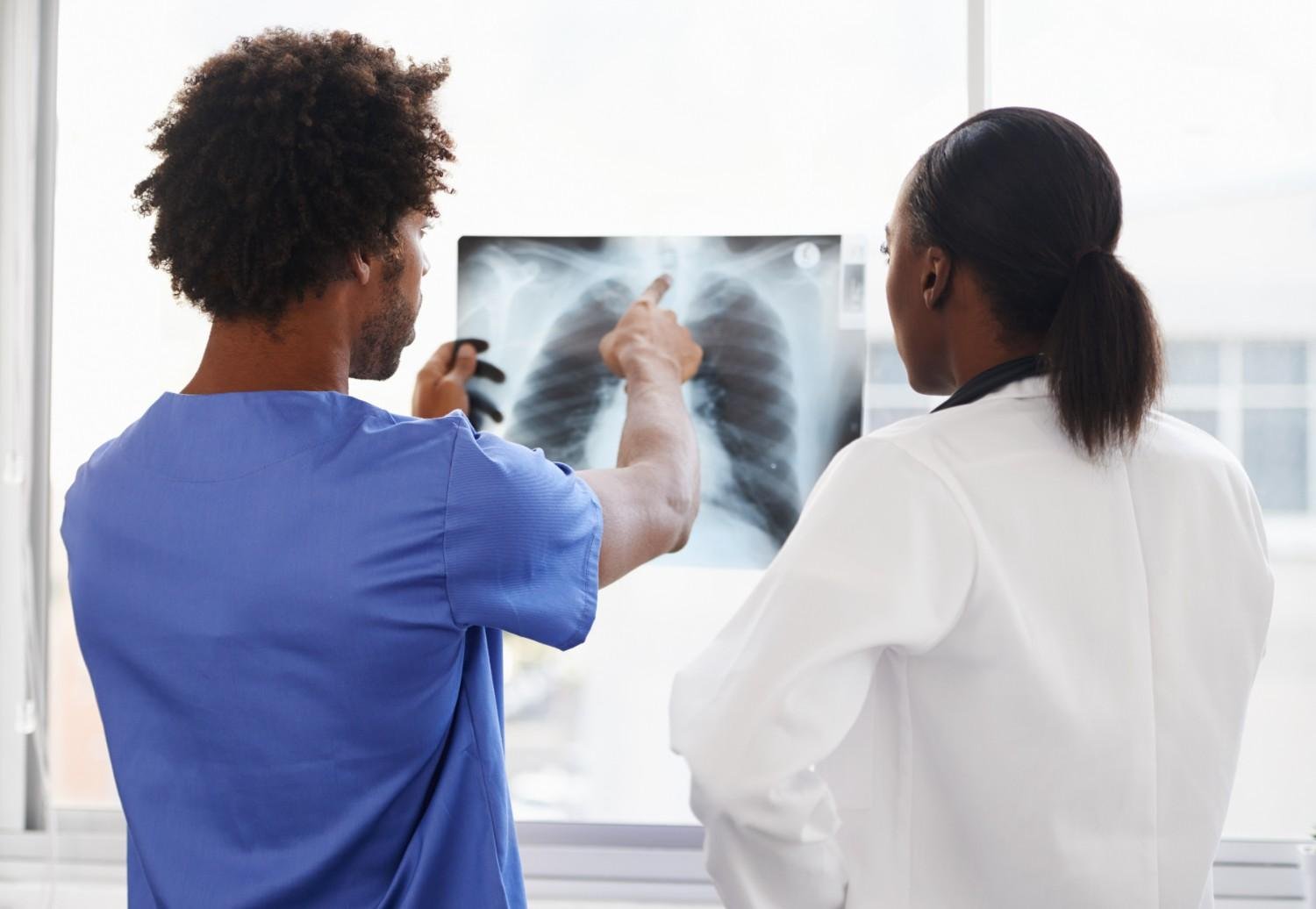
The medical imaging industry is one of the fastest-growing fields in modern healthcare. Radiology departments around the world—especially in countries like the USA, UK, Canada, Australia, Ireland, Germany, and New Zealand—are facing rising patient numbers, expanding diagnostic services, and growing technological advancements. As a result, the need for trained radiology support staff has increased significantly. This growing demand has encouraged many healthcare employers to recruit international professionals and offer employer visa support to fill essential roles.
Radiology department support jobs are crucial positions that keep imaging units functioning smoothly. Whether in hospitals, private diagnostic centres, urgent care clinics, specialized imaging facilities, or teaching hospitals, radiology support workers contribute to patient care, equipment preparation, administrative coordination, and technical assistance. These roles offer accessible entry points into healthcare, strong job stability, competitive salaries, and clear career growth.
This comprehensive 3500+ word guide provides a deep explanation of Radiology Department Support jobs, detailing responsibilities, required skills, training pathways, salary expectations, visa options, and the many career opportunities available for international applicants seeking employer-supported relocation.
Understanding Radiology Department Support Roles
Radiology departments rely heavily on support staff to ensure seamless operations. While radiologists and radiologic technologists perform advanced imaging procedures, support workers handle crucial tasks that keep the workflow efficient and patient-centred.
Radiology Department Support professionals may work under various titles, such as:
- Radiology Support Assistant
- Radiology Assistant (non-clinical)
- Imaging Department Clerk
- Radiology Administrative Officer
- Radiology Porter
- Medical Imaging Support Worker
- Diagnostic Imaging Scheduler
- Radiology Patient Care Assistant
- Radiology Department Coordinator
- Diagnostic Imaging Receptionist
- Imaging Services Support Technician
Support roles vary based on the institution, but the goal is always the same: ensure smooth, safe, and organized radiology services for patients and staff.
Why Radiology Support Jobs Are in High Demand Worldwide
The global demand for imaging services is skyrocketing, leading to intense workforce shortages. Several key factors are driving this growth:
1. Increased Use of Diagnostic Imaging
CT scans, MRIs, ultrasounds, x-rays, and mammography are essential tools for diagnosing:
- fractures
- cancers
- cardiovascular conditions
- neurological disorders
- abdominal issues
- musculoskeletal injuries
As medical imaging becomes more central to early diagnosis and treatment planning, radiology departments need reliable support staff to manage rising patient volumes.
2. Ageing Populations
Older individuals require more imaging for:
- chronic conditions
- cancer screenings
- osteoporosis monitoring
- joint and muscle issues
- cardiovascular diagnostics
Countries with ageing populations—especially the UK, Japan, Canada, and EU nations—face significant radiology workforce shortages.
3. Global Healthcare Worker Shortages
Radiology departments struggle to hire enough support staff, prompting many facilities to recruit internationally and offer employer-sponsored visas.
4. Rapid Technological Advancement
New imaging technologies require additional support:
- 3D imaging
- AI-assisted diagnosis tools
- interventional radiology
- digital PACS systems
- high-resolution MRI and CT
Support staff help manage data, prepare patients, and coordinate workflows.
5. Increased Use of Imaging in Emergency Medicine
Emergency rooms depend heavily on imaging. Radiology support staff help speed up patient flow during critical situations.
6. Expansion of Private Diagnostic Centres
More private imaging companies are opening, increasing job opportunities for support professionals.
7. Public Health Screening Programs
Governments run large-scale radiology screening programs for:
- breast cancer
- lung health
- chronic disease monitoring
These programs rely on support teams to manage scheduling, preparation, and patient data.
8. Medical Tourism Growth
Countries like the UAE and Turkey attract global patients needing diagnostic services, further raising workforce needs.
This combination of shortages and rising demand makes Radiology Department Support jobs an excellent opportunity for international workers, especially those seeking visas.
Key Responsibilities of Radiology Department Support Staff
Radiology support staff play essential roles before, during, and after imaging procedures. While duties vary by institution, common responsibilities include:
1. Assisting with Patient Preparation
This includes:
- verifying patient identity
- confirming referral information
- guiding patients to dressing areas
- explaining basic imaging procedures
- helping patients change into gowns
- ensuring patients remove jewellery or metal objects
Clear communication helps reduce anxiety and improves patient cooperation.
2. Managing Patient Flow
Support staff ensure smooth patient movement by:
- escorting patients to exam rooms
- notifying technologists when patients are ready
- coordinating with wards and clinics
- updating waiting lists
- managing patient queues during busy periods
Efficient flow reduces wait times and ensures timely imaging.
3. Providing Basic Patient Care
Radiology support workers may:
- assist patients with mobility issues
- support elderly or disabled patients
- help transfer patients from beds to imaging tables
- provide emotional reassurance
This is especially important in emergency imaging where patients may be in pain or distressed.
4. Helping with Equipment Setup
Although they do not operate imaging equipment, support staff help by:
- preparing exam rooms
- ensuring equipment accessories are ready
- setting up clean linens and positioning aids
- maintaining cleanliness of imaging suites
5. Administrative and Clerical Duties
Radiology departments rely on accurate paperwork and communication. Tasks include:
- scheduling imaging appointments
- confirming referrals
- updating patient records
- filing reports
- entering data into PACS or EMR systems
- answering phone inquiries
- coordinating with physicians and wards
6. Ensuring Infection Control and Cleanliness
Support staff help maintain:
- sanitized imaging machines (non-technical tasks)
- clean changing rooms
- disinfected patient areas
- safe disposal of clinical waste
Hygiene is crucial in high-risk environments like radiology.
7. Handling Imaging Supplies
They may:
- restock supplies
- track consumables
- organize patient gowns
- monitor room inventory
8. Supporting Radiologists and Technologists
Radiology support helps clinicians by:
- retrieving patient files
- preparing documentation
- relaying messages
- assisting with minor tasks
9. Monitoring Patient Comfort and Safety
This includes:
- observing patients for discomfort
- notifying technologists of any concerns
- assisting claustrophobic patients during MRI preparatory steps
- ensuring safe positioning
10. Escorting Patients Between Hospital Units
Radiology support may move patients:
- from wards to radiology
- from emergency rooms to imaging
- from diagnostic areas back to clinics
This is especially common in larger hospitals.
Radiology support roles require compassion, organization, teamwork, and attention to detail.
Skills Needed for Radiology Department Support Roles
Employers look for a mix of soft skills, administrative abilities, and basic healthcare knowledge.
1. Strong Communication Skills
Radiology support workers interact with patients, nurses, technologists, doctors, and administrative staff.
2. Compassion and Empathy
Patients may be anxious, in pain, or unfamiliar with imaging procedures. Support workers must offer reassurance.
3. Physical Stamina
The job includes lifting, walking long distances, and assisting patients.
4. Ability to Follow Procedures
Radiology has strict protocols for safety and accuracy.
5. Basic Medical Knowledge
Understanding:
- anatomy basics
- patient care principles
- medical terminology
- imaging procedures
helps communication.
6. Teamwork
Radiology departments function through coordinated team effort.
7. Computer Literacy
Support workers use:
- scheduling software
- patient databases
- PACS systems
- communication tools
8. Problem-Solving
They must respond quickly to unexpected situations such as:
- urgent imaging requests
- anxious patients
- transport delays
9. Professionalism
Healthcare environments require confidentiality and ethical behavior.
10. Time Management
Coordinating patient flow demands punctuality and organization.
Education and Training Requirements
Radiology support roles often have accessible entry requirements, making them ideal for international job seekers.
Minimum Requirements
- high school diploma or equivalent
- good communication skills
- willingness to undergo training
- clean background check
Preferred Qualifications
- healthcare support experience
- patient care training
- administrative experience
- hospital volunteering
- first aid or CPR certification
Helpful Certificates
Non-mandatory but useful:
- healthcare assistant certificate
- medical terminology course
- radiology support worker training
- infection control certification
- moving and handling training
- basic life support
On-the-Job Training
Most hospitals and imaging centres provide structured training covering:
- safety procedures
- handling of patients
- basic imaging workflow
- administrative systems
- communication skills
- radiation awareness (non-technical)
Places Where Radiology Support Staff Work
Radiology support jobs exist across many healthcare settings:
1. Public Hospitals
Large imaging departments need support staff year-round.
2. Private Diagnostic Centres
Centres offering CT, MRI, ultrasound, x-rays, and mammography employ support teams.
3. Urgent Care Clinics
These facilities often need imaging assistants to manage high patient turnover.
4. Outpatient Imaging Facilities
They focus on scheduled scans and routine diagnostics.
5. Cancer Treatment Centres
Imaging is vital to monitoring cancer progression.
6. Orthopedic and Sports Clinics
X-rays and MRIs are frequently required.
7. Women’s Health Clinics
Support is needed for breast imaging and prenatal ultrasound.
8. Academic Hospitals
Teaching hospitals hire support staff to manage busy radiology departments.
9. Neuroscience Centres
Brain and spine imaging requires significant administrative and patient support.
10. Community Health Centres
Some community programs offer basic imaging services.
This gives applicants flexibility in choosing work environments that suit their interests.
Salary Expectations for Radiology Support Workers
Salaries vary by country, experience, and facility type.
Entry-Level Support Roles
$28,000 – $38,000 annually
Mid-Level Support Staff
$38,000 – $48,000 annually
Senior Radiology Support Workers or Coordinators
$48,000 – $60,000+
Hourly Rates
Typically $15 – $28 per hour, depending on location.
Additional Benefits Often Include:
- paid leave
- medical insurance
- dental and optical benefits
- pension or retirement plans
- uniform allowances
- transportation allowances
- overtime opportunities
Radiology support workers enjoy stable employment, predictable schedules, and strong long-term earning potential.
Work Environment of Radiology Support Staff
The radiology department environment is unique:
1. Fast-Paced and Dynamic
Patient flow is constant.
2. Technology-Based
The department uses:
- advanced imaging machines
- image-archiving systems
- digital scheduling software
3. Safety-Focused
Strict protocols protect patients and staff.
4. Collaborative
Radiologists, technologists, nurses, porters, and administrators work closely.
5. Highly Structured
Routine and guidelines ensure efficient care.
6. Emotionally Rewarding
Support staff help patients during vulnerable moments.
7. Physically Active
The role involves walking, lifting, and assisting.
8. Clean and Professional
Radiology suites maintain high hygiene standards.
The environment suits individuals who enjoy purposeful, team-based work.
Employer Visa Support for Radiology Support Jobs
Many healthcare employers sponsor visas due to workforce shortages. Visa sponsorship varies by country, but common pathways include:
1. Skilled Worker Visa (UK)
Many radiology support roles qualify under healthcare support occupation categories.
2. Health and Care Worker Visa (UK – when applicable)
Some support roles are accepted if they directly assist patient care.
3. H-2B or EB-3 “Other Workers” (USA)
Hospitals and imaging centres may sponsor support roles under the EB-3 worker category.
4. Canadian Work Permits
Pathways include:
- Temporary Foreign Worker Program
- Provincial Nominee Programs for healthcare support
- Atlantic Immigration Program
5. Australia Skilled or Employer-Sponsored Visas
Healthcare support and patient care roles qualify in some states.
6. New Zealand Accredited Employer Work Visa
Many imaging departments are accredited to sponsor international workers.
7. Germany, Ireland, and Scandinavian Countries
Hospitals frequently recruit internationally for support roles due to shortages.
Employer-sponsored visas typically include:
- guaranteed job offers
- relocation support
- adaptation training
- long-term residency pathways
This makes radiology support roles ideal for workers seeking international relocation.
Career Growth Opportunities
Radiology support roles offer strong career advancement, including:
1. Radiology Department Coordinator
Manages workflow, schedules, and communication.
2. Radiology Admin Supervisor
Leads administrative teams.
3. Radiology Assistant (Clinical – Additional Training Required)
Assists technologists with basic clinical tasks.
4. Healthcare Assistant in Radiology
Supports patient care more directly.
5. Radiology Scheduler
Manages complex appointment systems.
6. Patient Transport Specialist
Specializes in moving patients safely.
7. PACS Administrator
Manages digital imaging systems (requires IT training).
8. Radiologic Technologist (Requires Certification)
Higher salary and clinical responsibility.
9. Medical Office Administrator
Works in hospital management or department administration.
10. Imaging Services Manager
Oversees multi-unit imaging operations.
Career progression is strong for motivated individuals.
Challenges of Working in Radiology Support
While rewarding, the role comes with challenges:
1. Emotional Stress
Working with anxious or critically ill patients.
2. Physical Demands
Lifting patients, moving equipment, frequent walking.
3. Busy Schedules
Imaging departments often run continuously.
4. Strict Safety Rules
Precise adherence to protocols is essential.
5. Exposure to High-Pressure Situations
Emergency imaging can be intense.
Still, workers often find the role deeply meaningful.
Benefits of Radiology Support Roles for International Workers
These jobs provide significant advantages:
1. Accessible Entry Requirements
Ideal for newcomers to healthcare.
2. Employer Visa Support
Many hospitals sponsor qualified international applicants.
3. Growing Industry Demand
Imaging is one of the fastest-expanding healthcare sectors.
4. Stable, Long-Term Employment
Radiology services are essential year-round.
5. Opportunities for Professional Growth
Clear pathways to clinical and administrative careers.
6. Exposure to Advanced Medical Technology
Workers learn the foundations of imaging workflows.
7. Multicultural Workplace
Most radiology departments have diverse staff.
8. Strong Patient Interaction
The role is ideal for people-oriented workers.
9. Competitive Salaries
With overtime and shift allowances.
10. Meaningful Contribution to Patient Care
Assisting during diagnostic procedures is impactful.
How International Applicants Can Increase Their Chances of Success
If you’re applying for radiology support jobs with visa sponsorship:
1. Prepare a Strong CV
Highlight:
- customer service
- caregiving
- administrative skills
- healthcare experience
2. Take Basic Healthcare Courses
Short courses build credibility.
3. Learn Radiology Terminology
Familiarity with imaging terms helps interviews.
4. Demonstrate Patient-Centered Care Skills
Empathy goes a long way.
5. Show Willingness to Learn
Departments invest in workers who show initiative.
6. Gain Basic IT or Administrative Experience
Since radiology uses digital systems.
7. Improve English Communication
Essential for safety and patient interaction.
8. Apply to Employers Known for Sponsorship
Large hospitals and diagnostic chains often sponsor.
9. Highlight Flexibility
Evening or weekend availability increases hiring chances.
10. Be Professional During Interviews
Healthcare employers value reliability and compassion.
Final Thoughts
Radiology Department Support jobs offer a rewarding, stable, and internationally accessible pathway into modern healthcare systems. With increasing demand for diagnostic imaging and widespread workforce shortages, hospitals and clinics around the world are turning to international recruitment and offering employer-sponsored visas to fill essential support roles.
Whether you are just beginning your healthcare journey or seeking a career shift into a growing field, radiology support roles provide exceptional opportunities for long-term development, career advancement, and global mobility. With the right training, professionalism, compassion, and a willingness to learn, international applicants can build meaningful, well-paid careers in radiology departments with strong employer support.