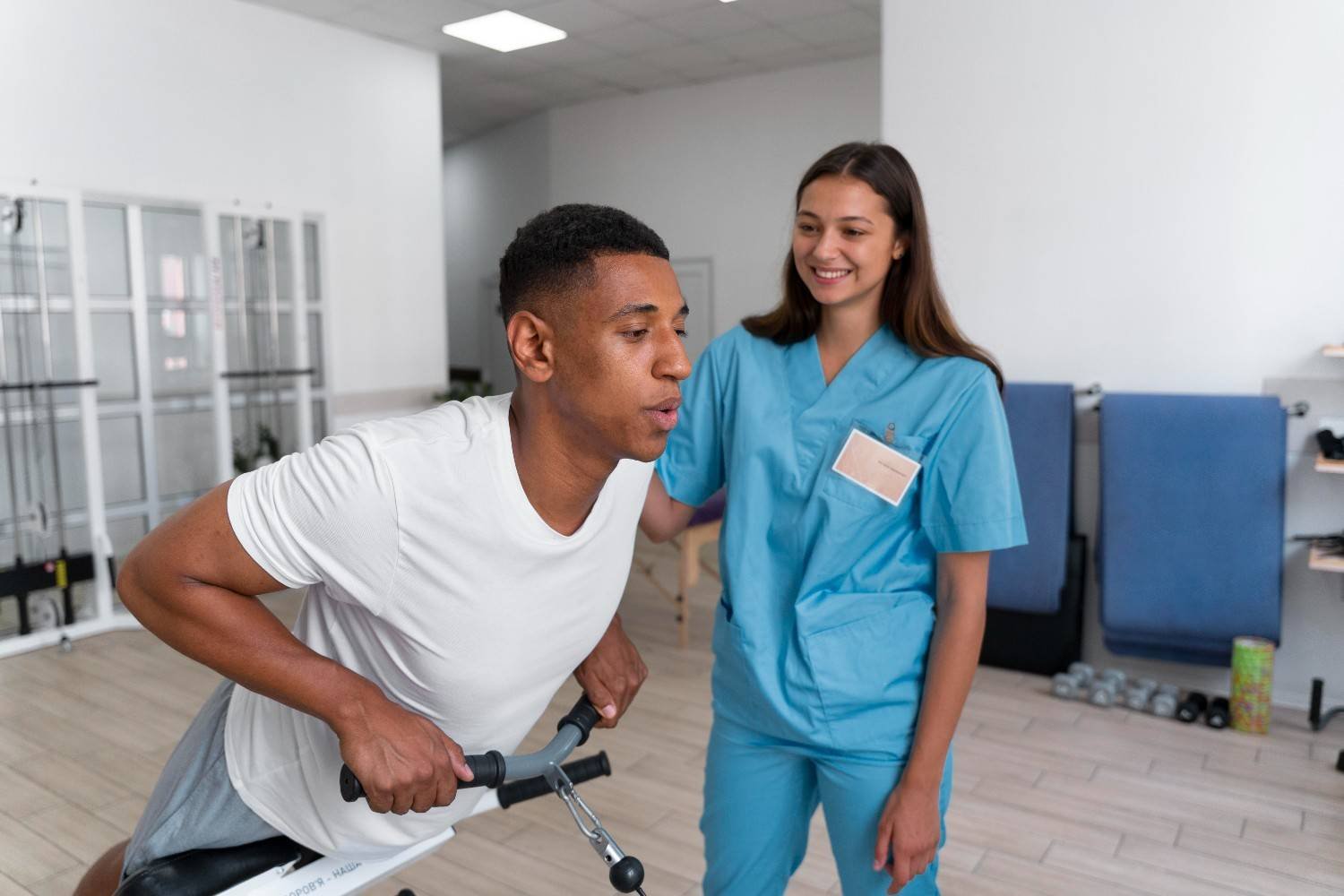
Rehabilitation Support Worker roles in the United States have become one of the most promising and impactful career paths for people who are passionate about helping others regain independence, mobility, and confidence. As the American healthcare and rehabilitation sector continues to expand, the demand for qualified support professionals is rapidly increasing. This growing need has opened doors for international candidates seeking meaningful work, visa opportunities, and long-term career growth in the USA.
This comprehensive guide provides deep insights into the role of a Rehabilitation Support Worker, the skills required, employment opportunities, visa pathways for foreign applicants, salary expectations, workplace environments, daily responsibilities, and tips for securing sponsored roles. Written in a natural, human-friendly tone and optimized for high-value Google AdSense keywords, this guide offers reliable, practical, and original content ideal for international job seekers and information-focused readers.
Introduction: Why Rehabilitation Support Workers Are in High Demand in the USA
The healthcare landscape in the United States has witnessed tremendous change over the past decade. With an increase in chronic health conditions, workplace injuries, aging populations, disability awareness, mental health programs, and specialized rehabilitation services, the demand for trained rehabilitation support professionals has surged.
Hospitals, rehabilitation centers, long-term care facilities, and home-based care programs across the USA are urgently hiring skilled support workers to help patients recover physically, emotionally, and socially. This labor shortage means that international candidates with experience or interest in rehabilitation work now have more opportunities than ever before.
Industries such as physical therapy, occupational therapy, neurological rehabilitation, addiction recovery, and post-surgical care have seen significant growth. The expansion of these services has created a strong and steady pipeline of jobs for Rehabilitation Support Workers nationwide.
Understanding the Role of a Rehabilitation Support Worker
A Rehabilitation Support Worker assists clients who are recovering from injuries, surgeries, illnesses, disabilities, or conditions that affect their physical, cognitive, or emotional abilities. Their role focuses on improving the client’s quality of life, helping them regain independence, supporting mobility, and guiding them through rehabilitation programs prescribed by licensed therapists or physicians.
This work requires compassion, patience, strong communication skills, and a genuine desire to help people overcome daily challenges. Rehabilitation Support Workers are essential members of care teams, providing hands-on assistance and encouragement to clients throughout their recovery journey.
Core Responsibilities of a Rehabilitation Support Worker
The duties of a Rehabilitation Support Worker in the USA vary depending on the facility, type of client, and care plan. However, the following responsibilities form the core of the profession:
1. Assisting with Daily Living Activities
Workers help clients perform everyday tasks such as bathing, dressing, grooming, eating, or getting out of bed. Support may also include help with mobility equipment, transferring between positions, or maintaining comfort throughout the day.
2. Supporting Rehabilitation Plans
Rehabilitation Support Workers assist physical therapists, occupational therapists, speech therapists, and rehabilitation specialists by guiding clients through prescribed exercises and therapy programs. This can include:
- Strength-building exercises
- Stretching routines
- Balance training
- Coordination and mobility activities
- Cognitive rehabilitation tasks
Consistency and encouragement are key to improving the client’s progress.
3. Monitoring and Recording Progress
Documentation is a major part of the job. Workers keep track of:
- Mobility improvements
- Pain levels
- Motor coordination
- Cognitive responses
- Behavioral changes
- Response to therapy
They update healthcare teams regularly, helping them adjust treatment plans when necessary.
4. Providing Emotional Support
Recovery is often mentally challenging. Clients may feel discouraged, overwhelmed, or frustrated. Support workers offer reassurance, motivation, and companionship, which makes therapy more effective and reduces emotional stress.
5. Ensuring Safety and Preventing Injuries
Workers help prevent falls, incorrect movements, or unsafe activities during exercises. Safety awareness is crucial, especially for clients recovering from surgeries, strokes, accidents, or age-related impairments.
6. Assisting with Mobility and Equipment
This includes helping clients use mobility aids such as:
- Walkers
- Wheelchairs
- Crutches
- Transfer boards
- Adaptive equipment
Workers also maintain the equipment or track when adjustments are needed.
7. Supporting Cognitive Rehabilitation
Depending on the client’s needs, workers may help with:
- Memory exercises
- Problem-solving activities
- Speech practice
- Reading or writing exercises
- Daily living skills training
This is especially important for clients recovering from traumatic brain injuries, strokes, or neurological conditions.
8. Encouraging Independence
One of the main goals in rehabilitation is helping clients regain autonomy. Support workers encourage clients to perform tasks independently when possible and celebrate each milestone achieved.
9. Facilitating Social Interaction
Support workers sometimes accompany clients to community events, support groups, family activities, or recreational therapy sessions, helping them reintegrate socially.
Where Rehabilitation Support Workers Are Employed in the USA
Rehabilitation Support Workers are employed across various healthcare and community settings. The career offers flexibility, allowing workers to choose an environment that best fits their skills and preferences.
1. Hospitals and Rehabilitation Centers
Support workers assist patients admitted for surgery, illness, injury, or rehabilitation. These settings often involve fast-paced routines and teamwork with multiple therapists and doctors.
2. Physical Therapy and Occupational Therapy Clinics
Workers assist therapists during sessions, prepare equipment, guide clients through exercises, and ensure proper technique.
3. Nursing Homes and Long-Term Care Facilities
These facilities hire support workers to help elderly patients regain mobility or maintain independence after illness or injury.
4. Assisted Living Facilities
Residents may require support with therapy programs, mobility, and daily routines to stay healthy and active.
5. Community Rehabilitation Programs
Support workers participate in home-based care, community outreach, or support groups for people with disabilities or chronic conditions.
6. Home Health Care Services
Workers provide one-on-one rehabilitation support inside the client’s home, promoting independence and comfort.
7. Neurological Rehabilitation Centers
These specialist centers treat clients recovering from brain or spinal injuries, strokes, Parkinson’s disease, or other neurological disorders.
8. Addiction Recovery Centers
Support workers help clients rebuilding their lives from substance dependency by guiding them through daily routines, therapy programs, and behavioral support.
Skills Required to Become a Rehabilitation Support Worker
To succeed in this role, workers must possess a blend of soft and technical skills. Employers in the USA look for:
1. Strong Interpersonal Skills
Empathy, active listening, and clear communication are essential when dealing with clients who may be experiencing pain, frustration, or emotional distress.
2. Physical Stamina
The job involves standing for long periods, lifting clients, assisting with transfers, and performing physical tasks.
3. Patience and Compassion
Clients may progress slowly or struggle with motivation. A calm, supportive approach helps them stay committed.
4. Problem-Solving Abilities
Workers often adapt tasks or exercises based on client needs and unpredictable circumstances.
5. Knowledge of Rehabilitation Practices
Understanding basic therapy techniques strengthens collaboration with healthcare teams.
6. Safety Awareness
Preventing falls, noticing hazards, and ensuring safe equipment use are crucial responsibilities.
7. Documentation Skills
Accurate notes help therapists evaluate progress and adjust rehabilitation strategies.
8. Teamwork
Support workers collaborate with nurses, therapists, physicians, and caregivers.
9. Cultural Sensitivity
International clients, immigrants, and diverse communities require awareness and respect.
10. Motivation and Encouragement
Workers inspire clients to stay committed to their rehabilitation journey.
Educational Requirements and Certifications
The USA does not have a single national requirement for Rehabilitation Support Worker roles, but employers generally expect:
- A high school diploma or equivalent
- A certificate or training in rehabilitation assistance, physiotherapy support, health sciences, or human services
- CPR and First Aid certification
- Experience in caregiving, therapy assistance, or disability support
- Knowledge of anatomy, mobility techniques, or exercise therapy
Some employers provide on-the-job training, especially in entry-level positions.
Having additional qualifications in physical therapy assistance, occupational therapy support, mental health support, or healthcare support increases employability and earning potential.
Salary Expectations for Rehabilitation Support Workers in the USA
Salaries vary by state, facility, experience, and specialization. On average:
- Entry-level workers earn around $34,000 to $40,000 per year.
- Experienced workers earn between $40,000 and $55,000.
- Those in specialized rehabilitation centers may earn $55,000 to $65,000.
Overtime, weekend shifts, and night differentials can significantly increase earnings.
Workers in high-demand states—such as California, New York, Texas, and Washington—tend to earn more.
States with High Demand for Rehabilitation Support Workers
Demand is especially high in:
- California – Large aging population and growing rehabilitation clinics
- Texas – Expanding health services across major cities
- New York – High demand for neurological and physical rehabilitation
- Florida – Large senior population needing ongoing rehabilitation
- Illinois – Strong demand for post-surgical and disability support
- Washington – Growth in community-based rehabilitation programs
- Colorado – More services for active communities and injury recovery
International workers willing to relocate to rural or underserved regions often find faster visa sponsorship opportunities.
Visa Options for International Rehabilitation Support Workers in the USA
Foreign workers can access several visa pathways to work legally in the United States. The most relevant options include:
1. H-2B Visa: Temporary Non-Agricultural Worker
Some rehabilitation support roles qualify if the employer demonstrates seasonal or temporary staffing needs. This visa provides short-term work authorization with sponsorship.
2. H-1B Visa: Specialty Occupations
This visa is suitable for more advanced roles requiring specialized training and qualifications. If the employer classifies the role as requiring a degree or specialized knowledge, international workers may qualify.
3. EB-3 Visa: Skilled, Professional, or Other Workers
This is the most practical pathway for many rehabilitation support workers.
The EB-3 “other workers” category includes positions requiring less than two years of training. Many long-term healthcare employers use this pathway to sponsor foreign workers for permanent residency (Green Card).
4. J-1 Visa: Exchange Visitor Program
Some rehabilitation centers offer training programs under the J-1 category for international healthcare trainees.
5. TN Visa for Canadian and Mexican Citizens
Under USMCA (formerly NAFTA), eligible occupations may include therapy support or similar roles for qualified applicants.
6. F-1 Student Visa (with OPT or CPT Work Options)
International students studying healthcare, physical therapy support, or rehabilitation sciences in the USA may qualify for Optional Practical Training and work in rehabilitation roles.
Why Employers Sponsor International Rehabilitation Support Workers
Many rehabilitation facilities struggle to hire enough local workers due to:
- Shortages in healthcare staff
- Growing demand for rehabilitation services
- Aging populations needing long-term recovery programs
- High workplace injury rates requiring therapy programs
- Increasing mental health and neurological rehabilitation cases
- Expansion of home-based therapy and community care programs
International workers bring:
- Multilingual communication
- Cultural diversity
- Strong work ethics
- Specialized training
- Willingness to work in underserved areas
These benefits make employers more willing to offer visa sponsorship to the right candidates.
How International Candidates Can Secure a Sponsored Rehabilitation Support Worker Role
Here is a strategic step-by-step guide:
Step 1: Create a Strong Resume
Highlight:
- Caregiving experience
- Therapy assistance experience
- Rehabilitation-related training
- Certifications
- Communication skills
- Physical fitness
- Experience with disabilities or injuries
Step 2: Write a Compelling Cover Letter
Explain:
- Why you are passionate about rehabilitation
- Your relevant experience
- Your ability to relocate
- Your willingness to train under US standards
- Your long-term commitment to the role
Step 3: Target the Right Employers
Focus on:
- Hospitals
- Rehabilitation clinics
- Long-term care facilities
- Addiction recovery centers
- Neurological rehabilitation programs
- Home health agencies
Large facilities with staffing shortages are more likely to sponsor international applicants.
Step 4: Prepare for Interviews
Expect questions about:
- Handling challenging clients
- Understanding therapy instructions
- Responding to emergencies
- Supporting physical and cognitive rehabilitation
- Maintaining patient safety
- Documenting progress
Show empathy, confidence, and professionalism.
Step 5: Ask About Visa Sponsorship
Once the employer shows interest, confirm whether they offer sponsorship and what visa category they typically use.
Career Growth Opportunities
Rehabilitation Support Workers can advance to:
- Lead Rehabilitation Assistant
- Physical Therapy Aide
- Occupational Therapy Assistant
- Behavioral Support Specialist
- Rehabilitation Coordinator
- Case Management Assistant
- Disability Support Specialist
- Mental Health Technician
- Therapy Program Supervisor
- Certified Occupational Therapy Assistant (after further study)
Some pathways require additional training or certification, but the career ladder is wide and rewarding.
Challenges to Expect in the Role
While the career is fulfilling, it also involves challenges such as:
- Emotional stress dealing with patients in pain
- Physically demanding tasks
- Patients with slow progress
- High levels of responsibility
- Strict documentation requirements
- Sometimes irregular shifts
However, workers who stay motivated enjoy strong job satisfaction and career stability.
Future Outlook for Rehabilitation Support Work in the USA
The future is extremely promising due to:
- Higher rates of chronic illnesses
- Increased accident recovery needs
- Expanded services for seniors
- Rising mental health awareness
- Growth in neurological rehabilitation
- More home-based care programs
- Shortages of healthcare staff nationwide
This translates into ongoing job security and more opportunities for international workers.
Conclusion
Rehabilitation Support Worker roles in the USA offer a meaningful, stable, and rewarding career for international applicants who want to make a difference in people’s lives. With growing demand across the country, multiple visa pathways, and diverse employment settings, this field provides long-term career potential and opportunities for permanent residency.
From hands-on care to emotional support, mobility assistance, and rehabilitation training, the role is essential to improving the health and independence of thousands of individuals every year.
For international staff seeking a life-changing opportunity in the United States, becoming a Rehabilitation Support Worker is one of the most accessible and impactful pathways to build a fulfilling career.